

What Is Q-Nuts?
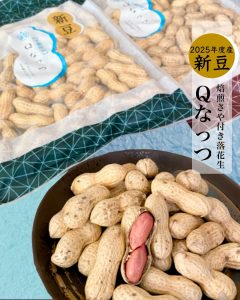
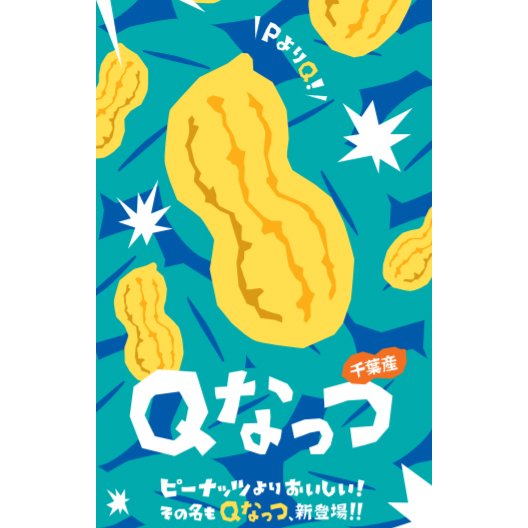
Q-Nuts (Qなっつ) is a new peanut variety that debuted in 2018. There are many peanut varieties, but the biggest feature of Q-Nuts is a sweetness unlike anything peanuts have had before! The sweetness is so clear that you can really taste the difference between varieties. Developed over more than ten years of repeated breeding, Q-Nuts is a new variety that Chiba Prefecture, Japan put its heart and soul into. Please give it a try!
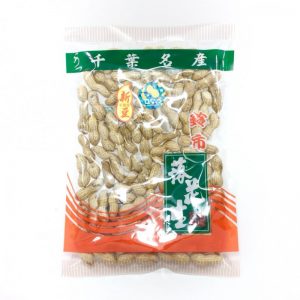
Click here to order roasted in-shell Q-Nuts peanuts
Where Does the Name “Q-Nuts” Come From?
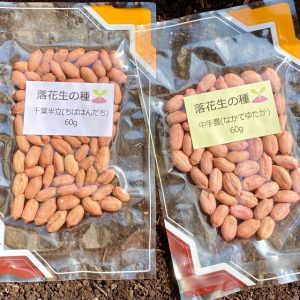
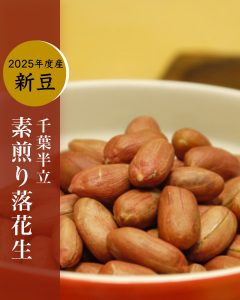
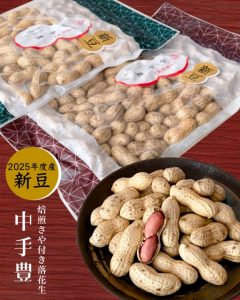
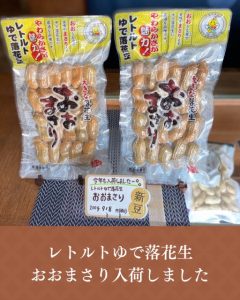
Q-Nuts was originally called “Chiba P114,” but the nickname Q-Nuts was chosen from 6,330 entries in a public naming contest. In the alphabet, Q comes right after P, so the name carries the meaning “a taste that goes beyond the peanuts (P) we’ve known so far.” Q-Nuts is one of many peanut varieties, in the same category as Chiba Handachi (千葉半立), Nakateyutaka (中手豊), and Omasari (おおまさり). Among the SUZUICHI staff and the farmers we work with, we call it “Q-chan” (an affectionate nickname). It has a cute ring to it that puts everyone at ease, so it’s a great name (lol)
What’s Great About Q-Nuts!
A Clear, Distinct Sweetness!
The sweetness stands out the moment you put one in your mouth. It’s a very easy-to-recognize sweetness, and this is the biggest feature of Q-Nuts, one that earlier varieties didn’t have.
Beautiful White Shells!
The shells are less prone to black spots, so they look clean and white. Compared with the Chiba Handachi variety, whose shells often get black spots, they look very neat and appetizing. (The black spots are simply a characteristic of peanuts grown in Chiba and don’t affect taste or quality, but people who aren’t familiar with peanuts sometimes wonder, “Are black spots on the shell a sign of disease?” So whiter shells are especially appreciated for gifts.)
High Germination Rate, Disease Resistance, and Stable Yields!
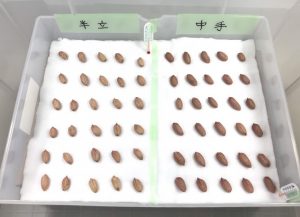
From the growers’ point of view, this may be the most anticipated part. Peanut farmers in Chiba Prefecture are getting older, and since the work is hard, fewer people are growing peanuts and production is falling. Chiba’s peanuts are in a pinch. Because Q-Nuts has a high germination rate, it’s expected that “only about half as many seeds are needed = lower seed costs” and that “there’s less work replanting spots where seeds failed to sprout.” And because it’s disease-resistant, it’s expected that “yields will be stable and high = more profitable as a crop = farmers will grow more and production will go up.”

Q-Nuts has great potential! Next, let’s look at its weak points.
Where Opinions on Q-Nuts Are Divided
Q-Nuts for Sweetness, Chiba Handachi for Richness.
There’s no doubt Q-Nuts is exceptionally sweet. But when it comes to richness, Chiba Handachi still wins. Whether it’s tastier than any peanut before it is a matter of personal preference. Q-Nuts is very sweet the moment you bite in and finishes light, while Chiba Handachi has a rich flavor and aroma that keeps you reaching for more. They’re quite different, so it’s fun to try both side by side!
The Thin Brown Skins Peel Off a Little Easily.
The thin inner skins of peanuts have been getting attention lately for their health-related components, such as polyphenols, and in connection with dementia prevention. With Q-Nuts, our impression is that these skins come off a bit more easily. It’s not a problem for in-shell peanuts, but when the peanuts are shelled and then roasted, the skins tend to peel off a little (or rather, the surface layer of the skin seems to flake off easily?).
The Plants Grow Tall, Making Digging and Drying a Bit Harder.
To make roasted peanuts, the plants have to be dug up, flipped upside down, and left standing to dry in the field. Because Q-Nuts plants are tall, this digging, flipping, and drying is a bit more work. Some farmers also say that when using a “peanut digger-inverter,” the machine that does this work, the plants don’t fit well unless the tops are cut shorter first.
Will We Be Able to Keep Eating Q-Nuts?
It has only just started, so we don’t know yet! (lol)
In fact, there have been new varieties in the past that, once grown, processed, and tasted, turned out to be “not very good…” and never caught on (no one grows them anymore). But Q-Nuts has the attractive potential described above, and Governor Morita of Chiba Prefecture has been promoting it in many places. If we peanut producers can deliver delicious Q-Nuts and win our customers’ hearts, we believe it will grow into a peanut that represents Chiba.
Order Q-Nuts Here
Click here to order roasted in-shell Q-Nuts peanuts
*Ordering from outside Japan? When you open a product page from overseas, an English shopping cart (WorldShopping BIZ) appears automatically, so you can order and have it shipped to you abroad.