

March–April: Preparing Hand-Shelled Seeds Before Peanut Planting Season
It’s been getting warmer lately!
Out in the peanut fields, preparations are underway for the seed-planting season, which runs from May to early June.
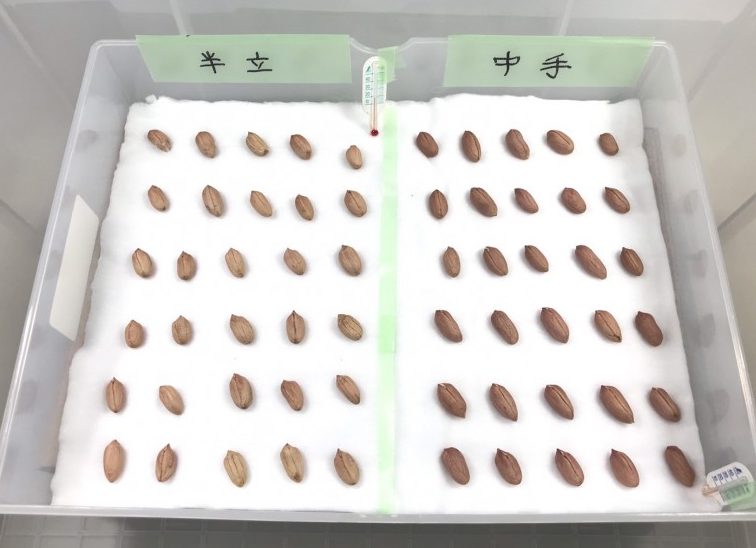
Around this time of year, farmers shell their peanuts, inspect them by eye, and gather only the good kernels to prepare as seeds. It’s all done by hand, so it takes an enormous amount of work. Why bother? Because “peanut seeds that are gently shelled by hand germinate well.” For farmers, the germination rate is a crucial factor that affects their livelihood! That’s why they shell by hand instead of by machine: it takes longer, but the seeds sprout reliably.
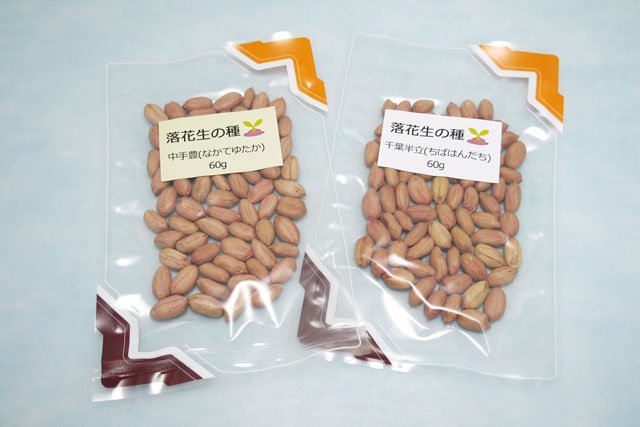
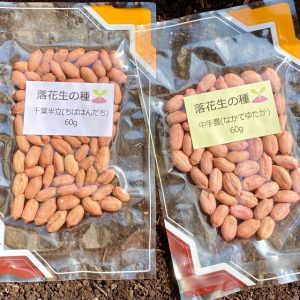
Every year around March–April, SUZUICHI, a peanut specialty store in Kisarazu, Chiba, Japan, sells these hand-shelled seeds for home gardeners.

They claim “hand-shelled for a high germination rate,” but do they really sprout?
You might be wondering that, so this time we actually put it to the test!
We Ran an Experiment to Check the Germination Rate
Seeds need water to germinate, and peanut seeds also need a certain amount of warmth. This time, we made our own germination kit and ran a germination test!
How We Ran the Germination Test
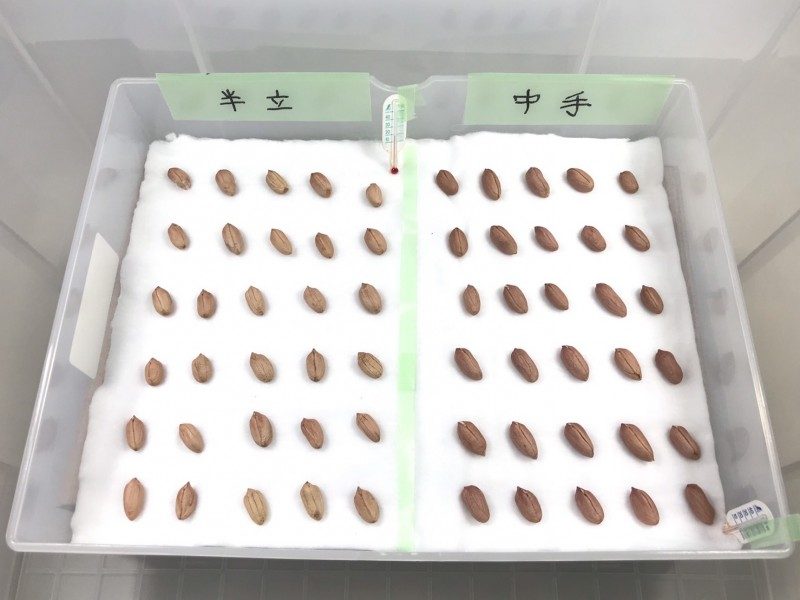
- Prepare the seeds, a large box with a lid, a small box, an electric heated carpet, absorbent cotton, and a soil thermometer.
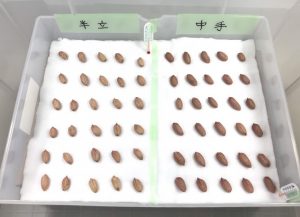
- Line the small box with the absorbent cotton, lay out the seeds, moisten them with water, and set the soil thermometer in place.
- Put the small box inside the large box and close the lid.
- Place the large box on the heated carpet and leave it. (Adjust so the soil thermometer reads about 20–25°C (68–77°F).)
That’s all the prep!! This time we laid out 30 seeds each of two varieties, Chiba Handachi (千葉半立) and Nakateyutaka (中手豊), for a total of 60. So, what happened?
Watching Them Sprout


Result: 59 Out of 60 Sprouted! (98% Germination Rate)
A really good result! The only one that didn’t sprout is the second from the top in the far-left column. As you can see, hand-shelled peanuts germinate very well! (When the shells are removed by machine, nowhere near this many sprout.)
Fun to Grow, Delicious to Eat: Growing Your Own Peanuts
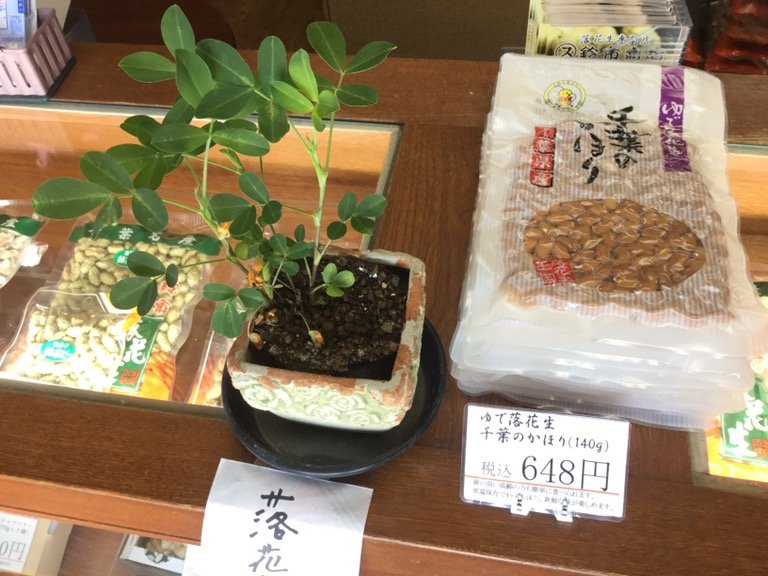
If you keep a home garden, we think you’ll enjoy growing peanuts too! Plant the seeds around May–June, and cute yellow flowers bloom in early summer. Once the flowers wither, stalks begin growing down toward the ground and push into the soil. The peanuts grow big underground, and harvest time is around October–November. If you want to eat them as boiled peanuts (a popular seasonal treat in Japan), you can enjoy them as early as September.
Why not try growing peanuts yourself with the same reliably sprouting seeds that peanut farmers use? (See how to grow peanuts here.)
Order Peanut Seeds
Click here to order peanut seeds
*Peanut seeds cannot be shipped overseas.