Setsubun Bean-Throwing: Soybeans or Peanuts?
February 3rd is Setsubun (節分), a traditional Japanese festival marking the day before the start of spring. Families throw beans while shouting “Oni wa soto! Fuku wa uchi!” (“Demons out! Good luck in!”) to drive away bad luck. So here’s a question: what kind of beans do you throw?
“Soybeans, of course!”
“Peanuts, obviously!”
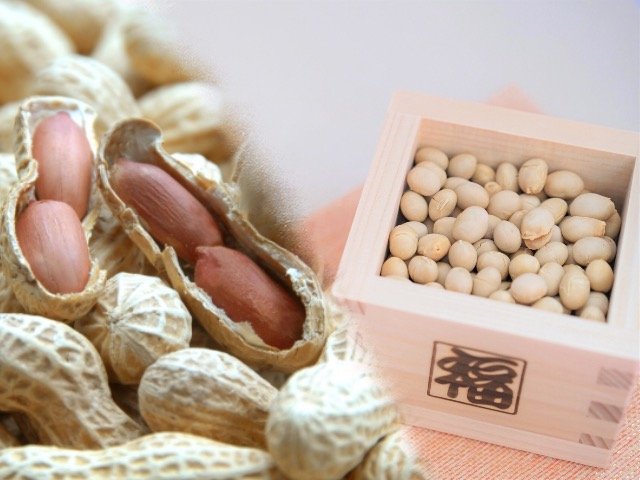
In fact, the beans used for Setsubun differ by region. Which regions use soybeans, and which use peanuts? Why throw peanuts at all, and what makes them better than soybeans? There are good reasons to recommend peanuts for Setsubun!
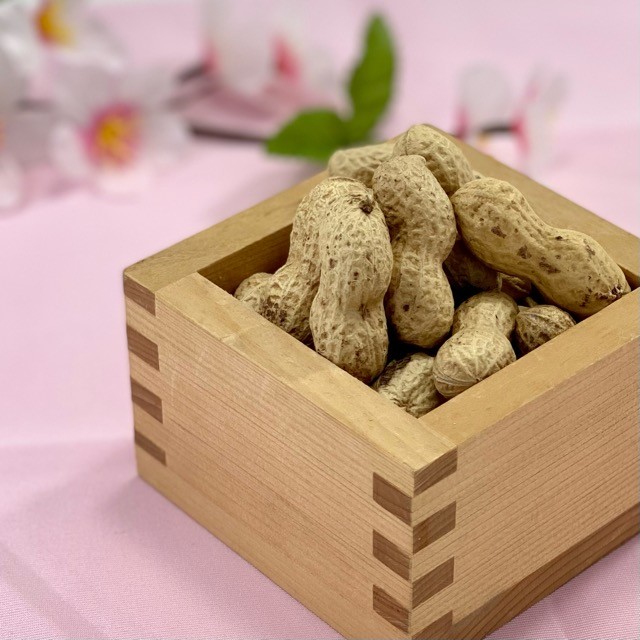
In Hokkaido and Tohoku, Peanuts Are the Custom
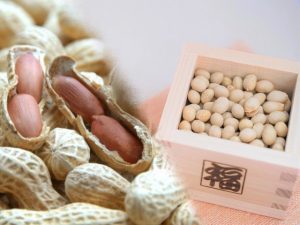
This may be surprising if you grew up with soybeans, but in Hokkaido, the Tohoku region, and parts of Kyushu and Kanto, throwing peanuts is the custom. In those areas, soybeans are actually the minority.
Most other regions use soybeans. The dividing line between soybeans and peanuts seems to run roughly along the border between Kanto and Tohoku. Among our customers, too, more people in the north buy peanuts for Setsubun.
Interestingly, Chiba Prefecture, Japan’s largest peanut producer, uses soybeans, while Hokkaido and Tohoku, major soybean producers, use peanuts. It’s a funny reversal!
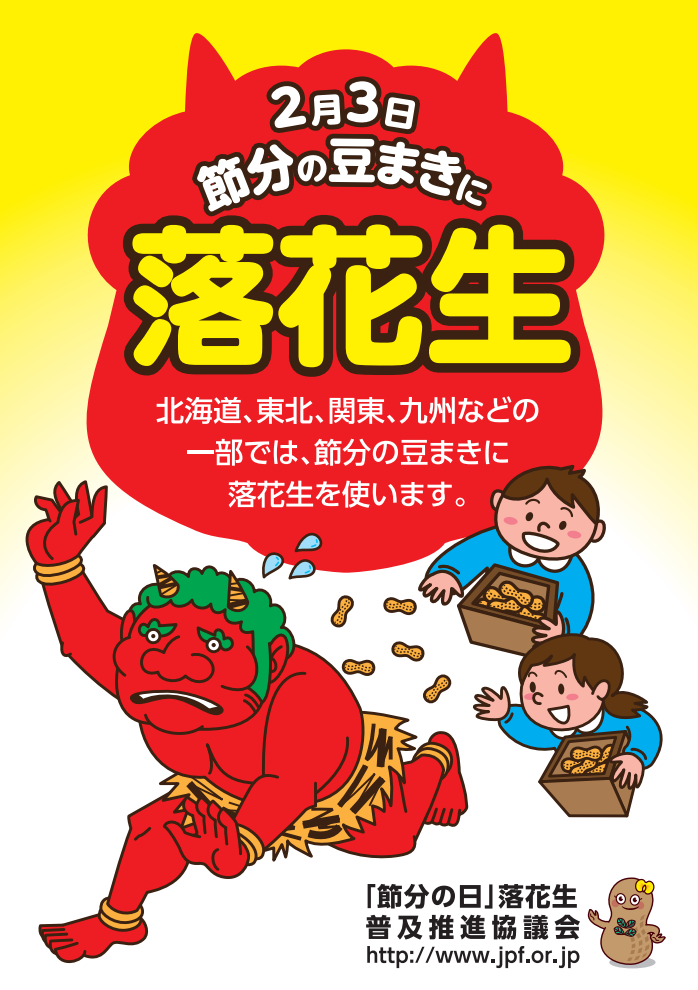
Surprisingly Practical? Two Reasons to Use Peanuts for Setsubun
In the regions above, throwing peanuts has long been the custom, but there are good reasons to try peanuts elsewhere too:
- They are big, so they are easy to find, easy to pick up, and easy to clean up
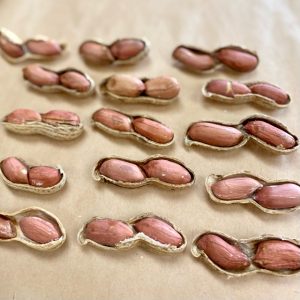
- The nuts are protected by the shell, so they stay clean and safe to eat
Sounds pretty good when you think about it, doesn’t it?
Cleaning up after bean-throwing is a hassle. Small soybeans roll into gaps under the furniture and scatter everywhere, and if you sweep them up with a broom, you collect the dust too. And after all that, you are supposed to eat them, but they have been on the floor everyone walked on…
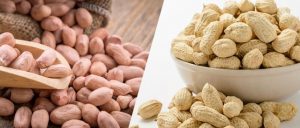
Peanuts, on the other hand, are big and easy to spot, you can pick them up by hand, and best of all, the nuts inside stay clean in their shells! If you have never tried throwing peanuts, why not give it a go? (Just note that peanuts are bigger than soybeans, so they hurt if you throw them hard. Good luck to whoever plays the demon! lol)
Which In-Shell Peanuts Are Best for Setsubun?
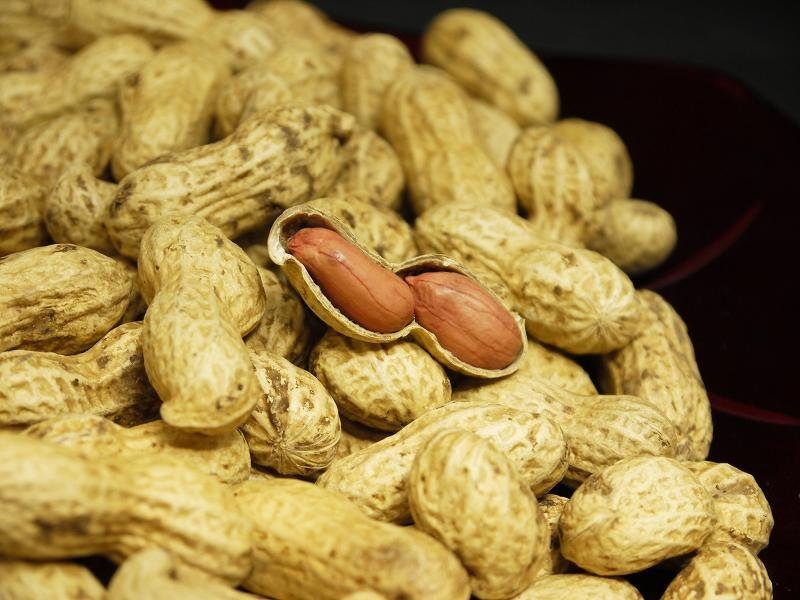
Roasted In-Shell Peanuts: Chiba Handachi (千葉半立)
Chiba Handachi has a very sturdy shell that keeps the nuts well protected until you eat them. It is also the most prized premium variety, with a rich flavor that will surprise you. You’ll enjoy both the bean-throwing and the eating!
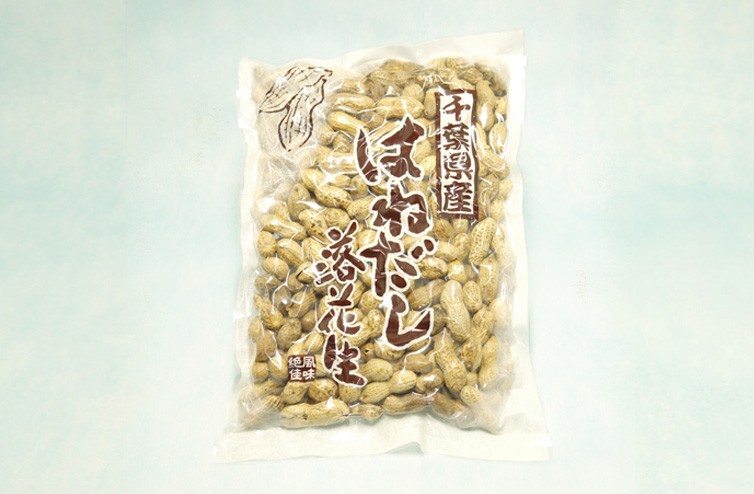
[Outlet] Cosmetically Imperfect Peanuts
These outlet peanuts cost almost half the price of our regular products, so you can throw them without hesitation. They were sorted out mainly for cosmetic reasons, such as dark or cracked shells. They are originally grown in Chiba, Japan, so you get great taste at a bargain. Recommended for home Setsubun.
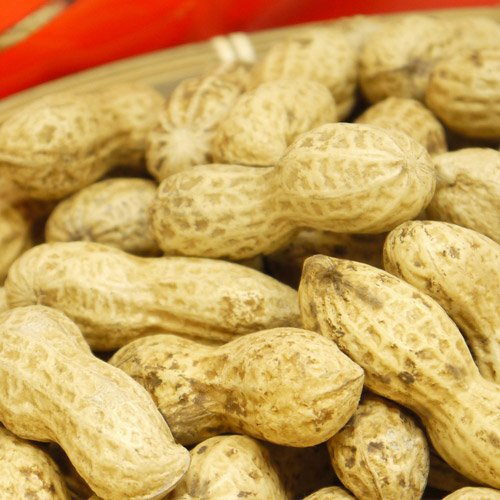
Roasted In-Shell Peanuts: Nakateyutaka (ナカテユタカ)
Popular with companies and groups who need a large amount for Setsubun at a reasonable price. Unlike the outlet peanuts, the shells are sturdy, and the slightly large nuts have a light, delicious flavor.
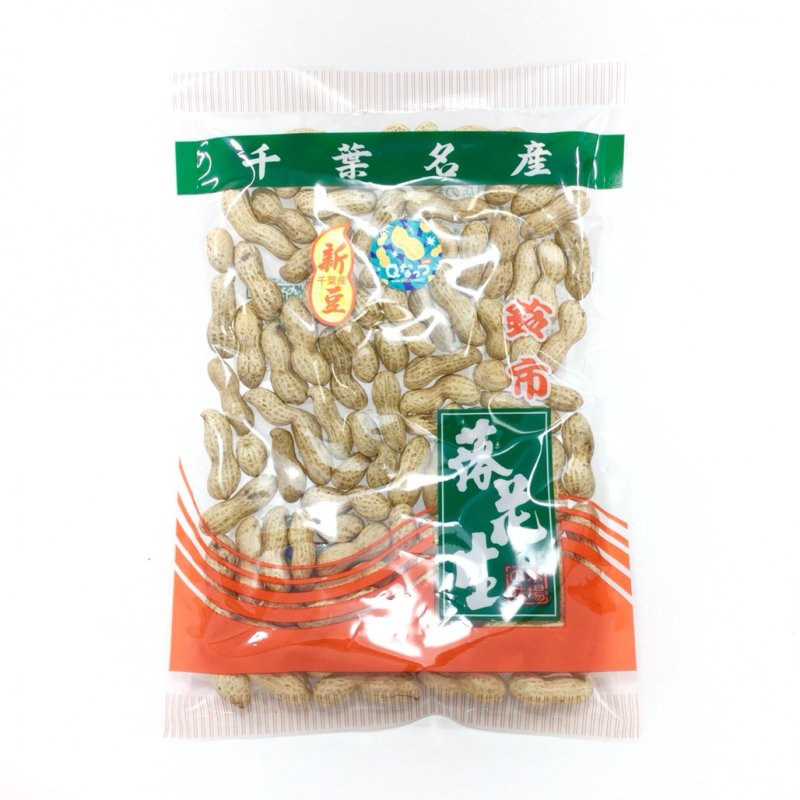
Roasted In-Shell Peanuts: Q-Nuts (Qなっつ)
Q-Nuts is a new variety that debuted in 2018! It has beautifully colored shells and a clear, distinct sweetness. The name comes from the idea of going one step beyond “P” for peanuts, to “Q.” Give it a try!
See more roasted in-shell peanuts for Setsubun
*Ordering from outside Japan? When you open a product page from overseas, an English shopping cart (WorldShopping BIZ) appears automatically, so you can order and have it shipped to you abroad.
Leftover Setsubun Peanuts? Store Them Properly!
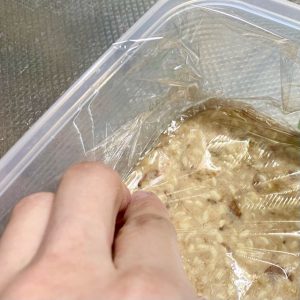
These days, many families celebrate Setsubun simply by eating ehomaki (恵方巻, a special sushi roll eaten on Setsubun). Unlike ehomaki, peanuts are dry, so they keep well. If you have leftover Setsubun peanuts, see our guide to storing peanuts and keep enjoying them deliciously ^^
P.S.
Our current president, who grew up in a peanut shop, once came home late on Setsubun to find only his room covered wall to wall in peanuts. (His family threw the beans without him, and didn’t clean up afterward…)