

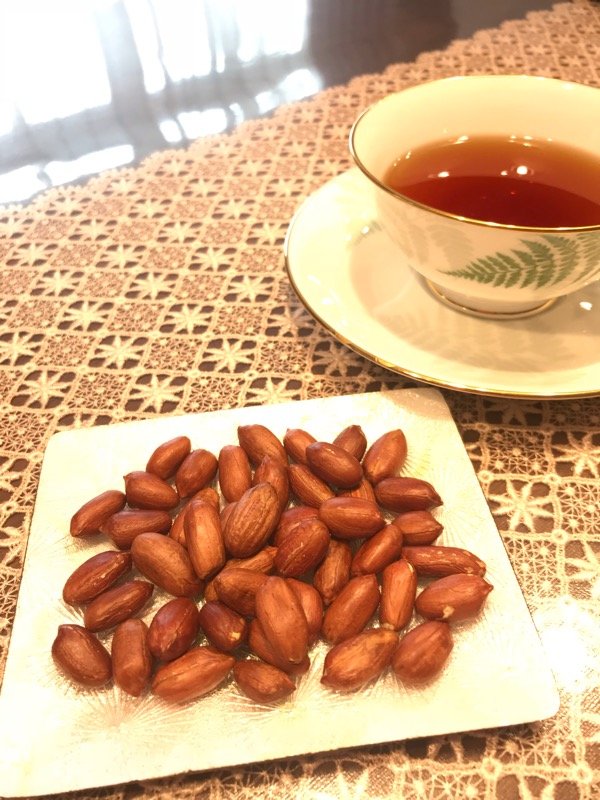
If you roast peanuts yourself, you can enjoy them freshly roasted, and adjust the roast exactly to your liking. Here we introduce an easy way and a more careful way to make plain roasted peanuts at home, plus the best way to store them so you can enjoy them for a long time.
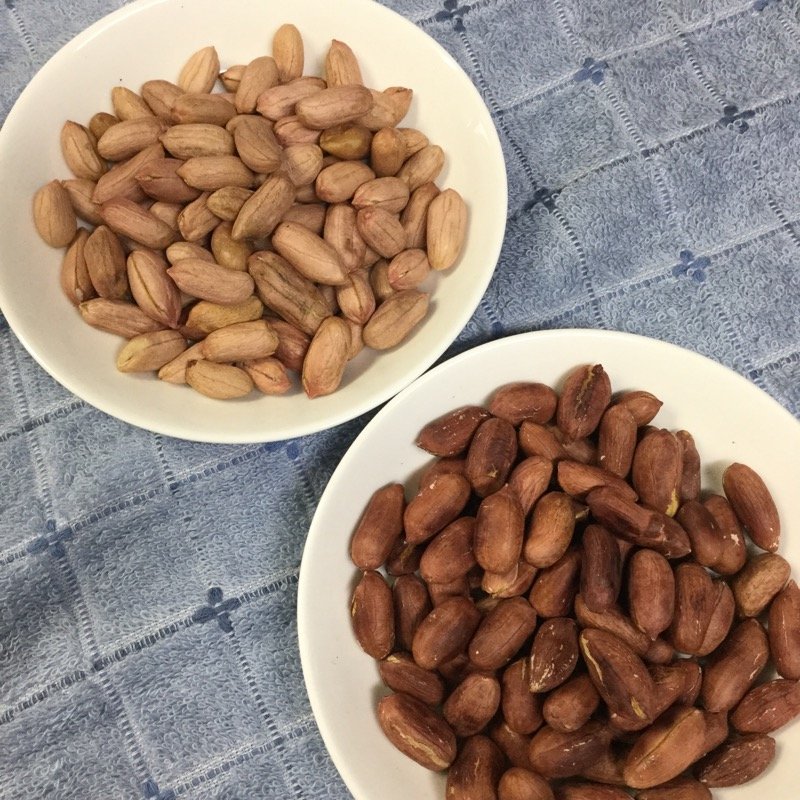
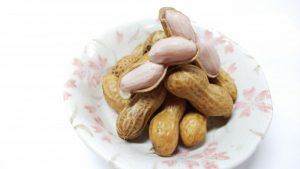
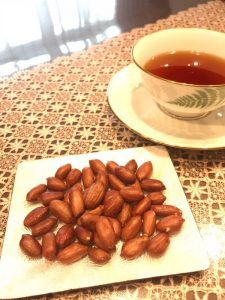
Left: raw peanuts. Right: peanuts roasted in a frying pan. Right after roasting they are soft, but they become crunchy as they cool.
For roasting, use dried raw peanuts. They are already shelled, so you can roast them as they are.
▶ Dried Raw Peanuts, Chiba Handachi (千葉半立) [Shelled, 260 g]
▶ Dried Raw Peanuts, Nakateyutaka (ナカテユタカ) [Shelled, 260 g]
*Raw peanuts cannot be shipped overseas.
Recipe A: Quick and Easy in the Microwave
The microwave lets you roast peanuts quickly and easily. Because they tend to roast unevenly, stir them twice along the way.
What you need
- Dried raw peanuts: 50 g
- Paper towel (or a plate)
Directions
- Line the microwave with a paper towel and spread the peanuts in a single layer.
- Heat at 600 W for 1 minute.
- Stir, spread them out again, and heat for another minute.
- Stir and spread once more, and heat for 1 minute (30 seconds if using a plate).
- Let them cool slightly, and they’re done. The microwave heats quickly, so be careful not to overdo it.
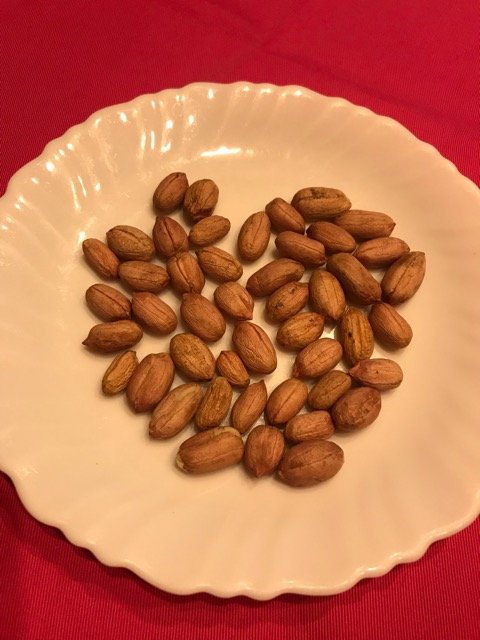
Recipe B: Carefully Roasted in the Oven
The oven gives the most even roast and the most consistently delicious results. It works on much the same principle as the roasting we do at our peanut shop, so the peanuts turn out really tasty. Highly recommended!
What you need
- Dried raw peanuts: 50 g
- Parchment paper
Directions
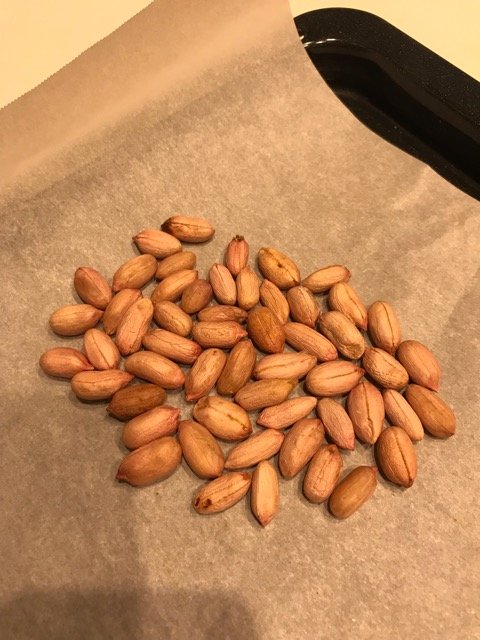
- Preheat the oven to 150°C (300°F). Line the tray with parchment paper, spread the peanuts in a single layer in the center, and bake for 30 minutes. Peanuts that roll to the edge of the tray tend to roast unevenly. Let them cool slightly, and they’re done.
Recipe C: In a Frying Pan
What you need
- Dried raw peanuts: 100 g (a little under 1 cup)
- A frying pan
Directions
- Put the dried raw peanuts in a heated frying pan in a single layer. Roast over low heat for about 10–13 minutes, stirring so that one side doesn’t burn. The more often you stir, the more evenly they roast.
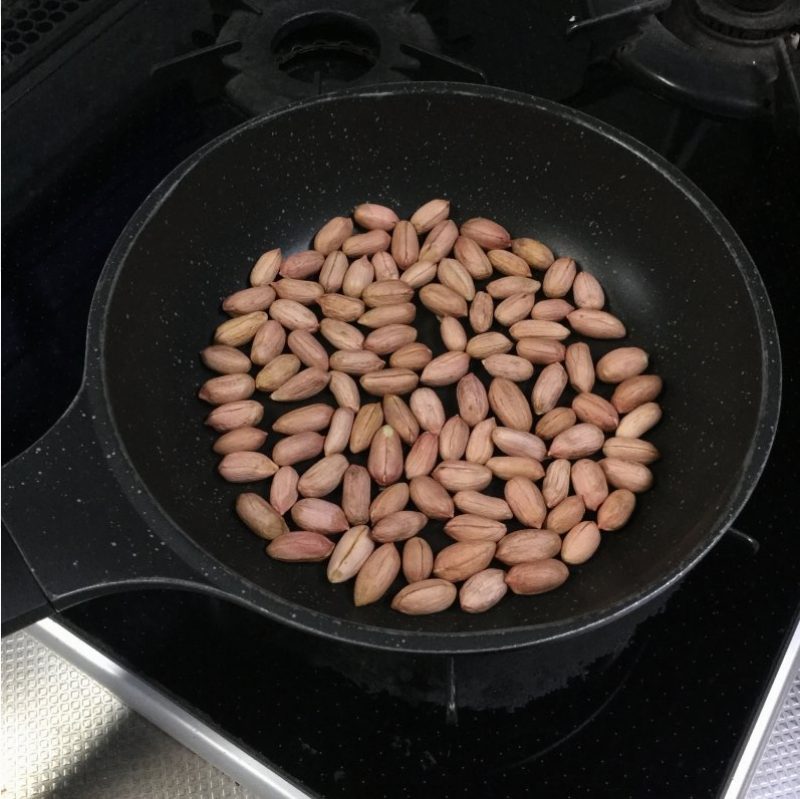
Keep the heat this low.
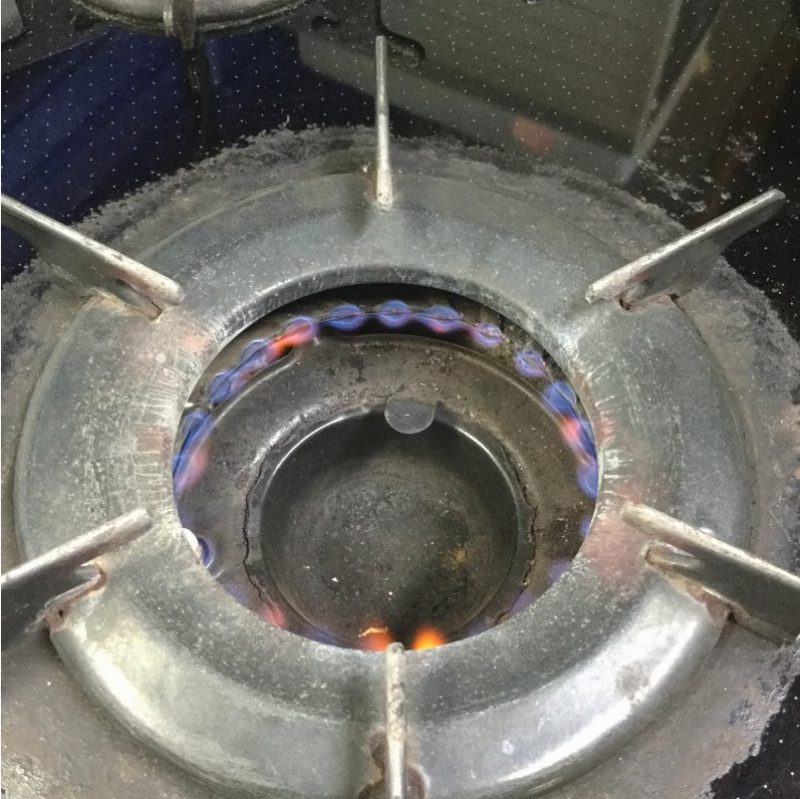
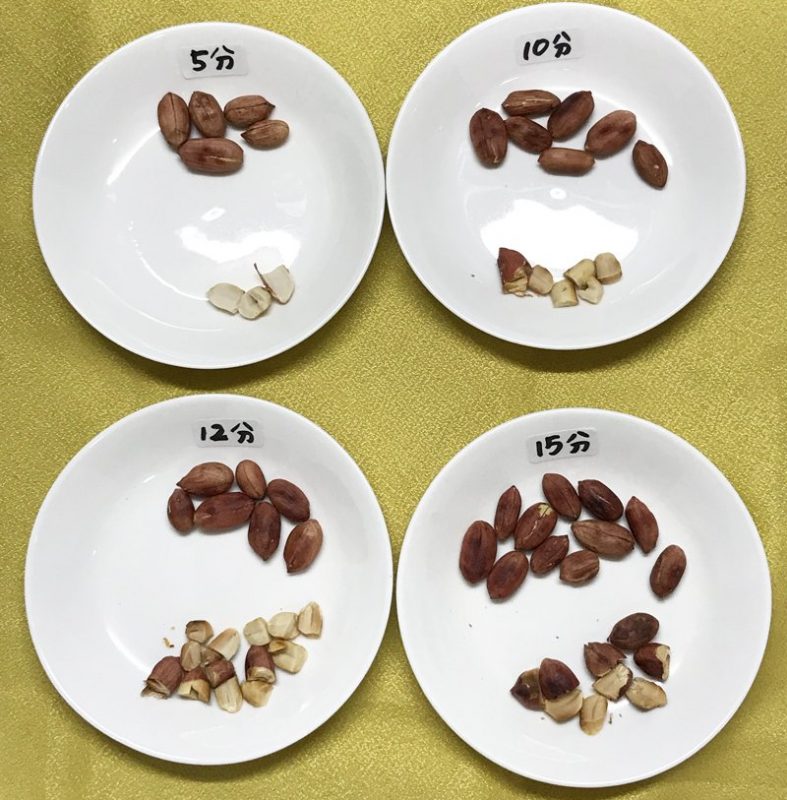
After about 10 minutes, taste one to check how roasted they are. (Careful, they’re hot!)
Then take a sample every minute until they reach the roast you like. If you cut a sample in half, you can see the color changing from the outside in as the peanut roasts. Once they’re done to your liking, move them from the pan to a plate to cool.
Store Them Raw, and Roast Only What You’ll Eat!
Once roasted, peanuts oxidize more easily and their shelf life becomes much shorter. So if you want to enjoy delicious roasted peanuts for a long time, store them as dried raw peanuts and roast only what you’ll eat. The biggest enemies of peanuts are heat, humidity, and oxygen, and how well you avoid them makes a big difference to freshness.
- To store dried raw peanuts, the best way is to put them in a plastic bag, squeeze out the air, seal it, and keep it in the refrigerator. When you take cold peanuts out, let them come to room temperature before opening the bag (*otherwise condensation will make them soggy). Dividing them into small portions when sealing is handy.
- To store roasted peanuts, seal them in a bag, keep them at room temperature, and eat them soon. They oxidize and absorb moisture faster than raw peanuts, so watch out for heat and humidity!
- If you roasted more than you can eat, seal them in a plastic bag and keep them in the refrigerator (or better, the freezer) to slow down oxidation a little. Let them come to room temperature before opening to avoid condensation.
Raw Peanuts for Fresh Home Roasting
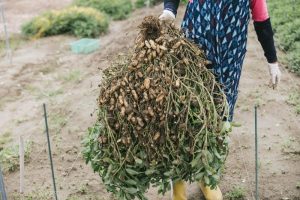
The key to roasting is to use dried raw peanuts, which have been dried for about a month after harvest. Be careful not to buy the freshly dug raw peanuts meant for boiling by mistake.
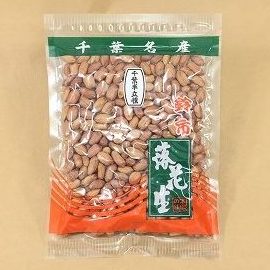
Dried Raw Peanuts: Chiba Handachi (千葉半立)
Made from Chiba Handachi, a variety grown in Chiba Prefecture, Japan’s famous peanut-growing region. Because it is difficult to grow and yields are small, Chiba Handachi is inevitably more expensive. But this connoisseur’s favorite spreads a rich, mellow flavor through your mouth, almost like a dairy product. Chiba Handachi is truly in a class of its own.
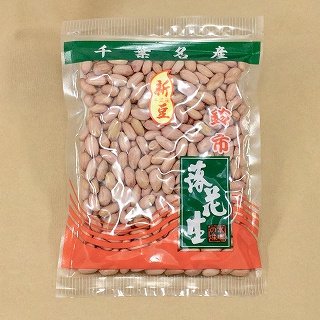
Dried Raw Peanuts: Nakateyutaka (ナカテユタカ)
Made from Nakateyutaka, a variety grown in Chiba Prefecture, Japan’s famous peanut-growing region. Its large kernels stand out and make any dish look delicious. With a light, clean sweetness, it goes well with all kinds of dishes. Simply roasted, it is also delicious, filling your mouth with the rich aroma of peanuts from Chiba, Japan.
*Raw peanuts cannot be shipped overseas.
Related Articles